Disclaimer: The views, suggestions, and opinions expressed here are the sole responsibility of the experts. No Pacific Daily journalist was involved in the writing and production of this article.
Bryan Tsikouris, an Illinois-based technology consultant, Warns That AI-Driven Vulnerability Detection Is Outpacing Security Controls
Chicago, IL, 2nd April 2026, ZEX PR WIRE — As artificial intelligence rapidly transforms how organizations identify and respond to cybersecurity risks, veteran technology consultant Bryan Tsikouris is raising concerns that many businesses are adopting AI-driven vulnerability detection tools faster than they can properly manage them.
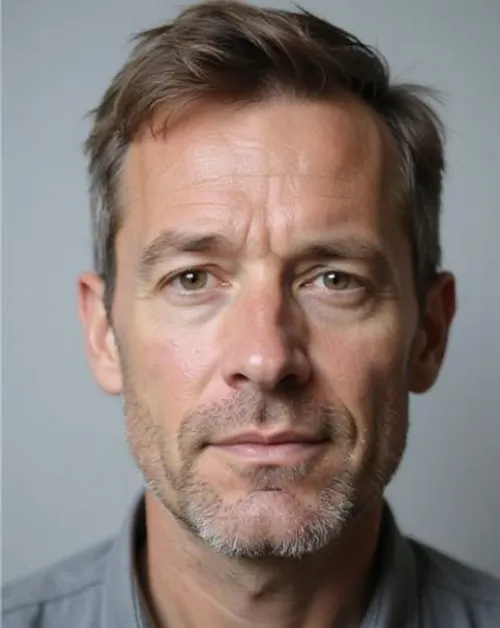
Tsikouris, an independent consultant with decades of experience in software and network security, says the growing reliance on AI is creating a dangerous imbalance between speed and oversight. “AI has made it easier than ever to scan systems and identify potential weaknesses,” Tsikouris said. “But what many companies don’t realize is that these tools can also introduce new risks if their outputs are not carefully validated.”
The issue comes at a time when businesses across industries are integrating AI into their security workflows. While these systems can analyze vast datasets and uncover hidden vulnerabilities, Tsikouris notes that they are not immune to error. In some cases, AI tools generate inaccurate or misleading reports, leading security teams to act on flawed information.
According to Tsikouris, this overreliance on automation is already creating operational challenges. Security teams are increasingly overwhelmed by the volume of alerts generated by AI systems. Many of these alerts turn out to be false positives, diverting attention from real threats. “When teams are flooded with unreliable data, they start to lose trust in the system,” Tsikouris explained. “That creates security gaps, because critical vulnerabilities can be overlooked.”
Beyond internal challenges, Tsikouris also points to the growing use of AI by cybercriminals. The same technology that helps organizations detect vulnerabilities is now being used to identify and exploit them much faster. This shift is compressing the window between discovery and attack, leaving businesses with less time to respond. “Attackers are not standing still,” he said. “They are using AI to scale their efforts, which means companies need to be even more disciplined in how they manage their own systems.”
Another emerging concern is the rise of AI-generated code. While these tools are helping developers work more efficiently, Tsikouris warns that they can also introduce security flaws if not properly reviewed. In some cases, sensitive data such as credentials may be inadvertently exposed, increasing the risk of breaches.
Tsikouris emphasizes that the solution is not to slow down AI adoption, but to approach it with greater control and accountability. He recommends that organizations implement strict validation processes for AI-generated insights and maintain human oversight in all critical decision-making. “AI should support security teams, not replace them,” Tsikouris said. “There needs to be a balance between automation and expertise.”
He also advises companies to strengthen governance frameworks around AI use. This includes limiting system access, monitoring integrations, and ensuring that all AI-driven processes are aligned with broader security strategies.
As businesses continue to invest in artificial intelligence, Tsikouris believes that those who succeed will be the ones who treat it as a tool rather than a solution. “Technology alone does not solve security problems,” he said. “It’s how you use it that makes the difference.”
With cyber threats evolving and AI adoption accelerating, Tsikouris urges organizations to take a more measured approach. By combining advanced tools with experienced oversight, companies can improve their defenses without introducing new vulnerabilities.
About Bryan Tsikouris
Bryan Tsikouris is an Illinois-based technology expert and independent consultant specializing in software and network security. With a career that began in the 1970s, he has helped organizations identify vulnerabilities and prevent costly disruptions. He currently works with businesses to strengthen their systems and leverage emerging technologies such as artificial intelligence and blockchain to improve operational resilience.

« Bryan Tsikouris, an Illinois-based technology consultant, Warns That AI-Driven Vulnerability Detection Is Outpacing Security Controls (Previous News)
Related News
Qoder Launches Qoder Security, Putting Three Layers of Security Into the AI Coding Session
Spread the love The built-in capability shifts code security from after-the-fact scanning to proactive, in-sessionRead More
Adam Weitsman Backs Unserious in their Acquisition of Creepz and Psychrome homecoming
Spread the love Miami, United States, July 22nd, 2026, Chainwire Unserious today announced the acquisitionRead More